Understanding Website Redesign: An Overview
A website redesign refers to the comprehensive process of overhauling an existing site’s design, structure, and functionality to enhance user experience, update aesthetics, improve accessibility, and incorporate modern technologies. Redesigning a website is essential for businesses today for several key reasons:
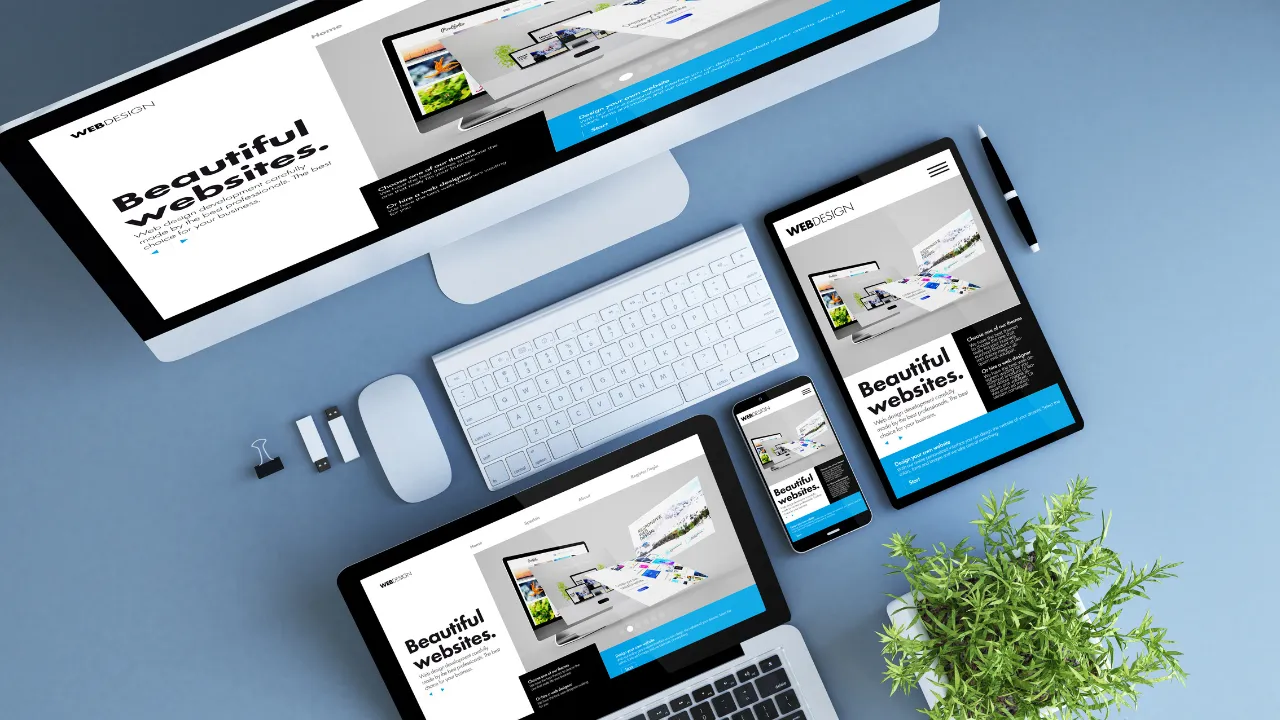
- User Experience Enhancements: As design trends evolve, outdated websites may lead to poor user experience and navigation issues. A redesign ensures that sites are user-friendly, which can lead to higher engagement and conversion rates. For instance, a responsive design that adapts to mobile devices is crucial as mobile web traffic continues to rise (see more on the importance of mobile responsiveness Source: Dorian Media Group).
- SEO Improvements: Search engine algorithms continually change, and a redesign can help align a website with the latest SEO best practices. This can improve visibility on search engines, attracting more organic traffic to the site (discover more about this here).
- Brand Refresh: A website redesign provides an opportunity to revamp brand identity, ensuring it reflects current marketing strategies and resonates with target audiences. This is especially important for businesses that have evolved or changed focus over time (Source: Dorian Media Group Services).
- Technical Advancements: Integrating advanced functionalities and features such as e-commerce capabilities, content management systems, and security improvements enhances user trust and encourages business growth. A website that utilizes the latest technology can streamline operations and improve overall efficiency (check how redesign can impact business growth here).
- Competitive Edge: In today’s digital age, maintaining a competitive edge requires a modern and effective online presence. Regular updates to website design can help businesses stay ahead of competitors by showcasing innovation and customer-centric thinking (Source: Dorian Media Group).
Overall, a thoughtful website redesign is crucial for ensuring that a business remains relevant, competitive, and effectively serves its customers in a fast-evolving digital landscape.
The Cost Breakdown: What Contributes to Website Redesign Expenses
When planning a website redesign, understanding the costs involved is crucial. There are several key components that contribute to the overall expenses, including design, development, content management, and hosting.
- Design Costs: The design phase involves creating the visual elements of a website, which can range from $3,000 to $100,000 depending on complexity and the agency’s expertise. This includes user interface (UI) and user experience (UX) design, which are vital for ensuring the site is aesthetically pleasing and user-friendly, impacting customer engagement and conversion rates. You can read more on website design services we offer that cater to various needs.
- Development Costs: Following design, development transforms design mockups into a functional site. Depending on features, this can range from $5,000 to over $100,000. Custom functionalities such as e-commerce capabilities or interactive elements significantly increase costs. The choice between a custom-built site and a template also plays a major role in development pricing.
- Content Management: Creating and integrating content—be it text, images, or videos—also adds to your budget. High-quality content is crucial for SEO and user engagement, which may require hiring professional writers and designers. Budget estimates can be around $2,000 to $20,000 for content development, depending on the quantity and quality required.
- Hosting and Maintenance: Finally, don’t overlook ongoing hosting, which generally costs $20 to $500 per month, depending on traffic loads and service quality. Moreover, regular maintenance is necessary to keep the website functional and secure, which can add another $500-$1,500 annually.
Overall, a comprehensive budget for a website redesign can range from $10,000 to over $500,000, influenced largely by the above components. It’s important to have a detailed plan that considers all these aspects to avoid unexpected costs later on. For a deeper understanding of why investing in a quality website is crucial, check out our article on the importance of a good website.
Average Pricing Models: What to Expect in Different Scenarios
When considering average pricing models for creative services, it’s essential to understand the influence of various factors that can lead to significant variances in cost. The complexity and scope of a project are primary determinants of pricing, with industry benchmarks often serving as foundational guides for estimating costs.
Industry Benchmarks
Pricing for creative services, such as website design, photography, video production, and online marketing, can vary widely depending on the type of service, geographic location, and the agency’s expertise. For instance, website design services typically range from $2,000 to $10,000 for small to medium-sized businesses, while comprehensive branding projects can escalate to $20,000 or more depending on the client’s requirements and market positioning (Source: Dorian Media Group).
Factors Influencing Variances
- Project Complexity: More intricate projects necessitate specialized expertise and additional resources, leading to higher costs. For example, a simple photography shoot could be priced at $500, but a multi-day, high-production value video shoot may be priced at $10,000 (Source: Dorian Media Group).
- Geographic Disparities: Locations significantly influence pricing; services in metropolitan areas often cost more than those in smaller towns due to overhead expenses and market demand.
- Agency Reputation and Experience: Established agencies with proven track records and client testimonials typically charge premium rates compared to newer entrants to the market. This reflects the perceived value and quality they can deliver.
- Economic Fluctuations: External factors, such as inflation and tariffs on various materials and services, can also contribute to rising costs in the creative industry. Recent reports indicate that construction and design input costs have increased due to tariffs and market conditions, a situation which can similarly affect creative pricing strategies (Source: Construction Dive).
In summary, when evaluating pricing models across different creative projects, it’s crucial to consider both the baseline industry benchmarks and the specific factors that can drive cost variations based on each project’s unique demands and circumstances.
Hidden Costs of Website Redesign: What You Might Not Consider
When embarking on a website redesign, many businesses focus on upfront costs, overlooking several hidden expenses that can significantly impact their budgets. Here are key hidden costs to consider:
- Ongoing Maintenance: After launching a redesigned website, the need for ongoing maintenance becomes apparent. Regular updates, security checks, and backups are essential to ensure the site operates smoothly and securely. Studies suggest that maintenance can cost businesses 15-20% of the initial build cost annually, depending on the complexity of the site and the frequency of updates. Learn more about estimating these costs.
- Content Updates: As your company evolves, so too should your online content. Budgeting for future content updates (including blog posts, product descriptions, and images) is often neglected. Without ongoing content management, your site can quickly become outdated, potentially affecting SEO and user engagement. This oversight can incur additional costs if you need to engage outside services or freelancers for updates.
- Training Staff: If the redesign involves a new content management system (CMS), you may need to factor in training costs for your staff to use this new system efficiently. Proper training ensures that your team can manage the site effectively, which can prevent expensive mistakes and downtime in the long run.
- SEO and Analytics: Transitioning to a new website can disrupt your current SEO strategies. This can lead to a temporary dip in search engine visibility and user traffic. Investing in SEO during and after the redesign is crucial, as it may require additional funds for audits, keyword research, and ongoing optimization efforts to regain traction.
- Potential Downtime: During the redesign process, your website may experience downtime. If the transition is not managed well, it can lead to lost sales and a decrease in customer trust. Ensuring minimal disruption often involves additional costs for extended IT support during the launch phase. Furthermore, it’s wise to consider a rollback plan in case the new site encounters significant issues.
- Design Revisions: Feedback and revisions are an inevitable part of the design process. It’s important to set aside a budget for these potential changes, which often result in increased hours or additional work from your design team. By accounting for this upfront, you can avoid unpleasant surprises as the project progresses.
Hidden costs can quickly add up, significantly impacting the true cost of a website redesign. Proper planning and budgeting for these factors are essential to ensuring your project is successful and sustainable. For more detailed tips on managing your design project thoughtfully, check our guide on website design considerations.
Choosing Between DIY and Professional Services: Cost vs. Quality
When deciding between redesigning your website through DIY efforts or hiring professional services, it’s essential to weigh the pros and cons in terms of cost versus quality.
Pros of DIY Website Redesign:
- Cost Savings: One significant advantage of DIY website redesign is the cost savings. By avoiding professional fees, you can allocate your budget to other important areas of your business. A basic website can potentially be created at little to no cost using platforms like WordPress or Wix, which offer free templates and tools.
- Creative Freedom: Handling the redesign yourself allows for complete creative control. You can implement ideas that reflect your vision without needing to consult or compromise with a designer.
- Learning Experience: Undertaking the project can serve as a valuable learning opportunity. Knowledge gained in web design, SEO, and user experience can be beneficial for future projects (Source: Dorian Media Group).
Cons of DIY Website Redesign:
- Time-Consuming: The DIY approach can be time-intensive. Developing, designing, and optimizing a website can take away time from core business operations, especially if you lack experience.
- Quality Concerns: Budget-friendly solutions may not provide high-quality results. A lack of professional knowledge can lead to subpar design and functionality, affecting user experience (Source: Dorian Media Group).
- Technical Limitations: Without advanced skills in coding or web design, you may find yourself limited in what you can achieve. This can lead to a website that is not fully optimized for performance or usability.
Pros of Hiring Professional Services:
- Expertise and Experience: Professional designers have the expertise and experience necessary to create high-quality websites that capture visitors’ interests and attention. They understand trends, best practices, and user behavior, which can lead to a more effective site (Source: Dorian Media Group).
- Time Efficiency: Hiring professionals saves you significant time. They can handle the complexities of design and development quickly and efficiently, allowing you to focus on other critical business tasks.
- Technical Support and Ongoing Maintenance: Professionals often offer ongoing maintenance and support, ensuring your website remains up-to-date and functional over time. This can prevent future issues that a DIY approach might overlook (Source: Dorian Media Group).
Cons of Hiring Professional Services:
- Higher Initial Costs: While hiring professionals can provide a polished result, it comes with higher upfront costs. This could be a concern for startups and small businesses with tight budgets.
- Less Control Over Design Elements: Relying on external expertise can sometimes mean sacrificing some level of creative control. Communication is key to aligning your vision with the designer’s implementation (Source: Dorian Media Group).
- Potential Delays: Depending on their schedule and workload, professionals may not deliver the final product as quickly as a self-directed approach could, creating delays in launching your redesigned site.
Ultimately, the decision between DIY and professional services should reflect your budget, your desire for quality, and the available time you have to devote to the project.
Calculating ROI: Is a Redesign Worth the Investment?
To effectively calculate the return on investment (ROI) for a redesigned website, businesses should focus on several key methodologies that emphasize long-term benefits. Here are some essential metrics and approaches:
- Set Clear Objectives: Before launching a redesign, it’s crucial to define specific goals. These could be increasing traffic, enhancing user engagement, improving conversion rates, or boosting sales. Being clear about what you want to achieve will help measure success accurately.
- Establish Baseline Metrics: Utilize tools like Google Analytics to gather data on your website’s performance before the redesign. Metrics such as average bounce rate, page views, conversion rate, and average session duration provide a baseline for comparison.
- Analyze User Behavior: After the redesign, track how user interactions change. Metrics such as time on site, pages per session, and user flow can indicate whether the new design is meeting user needs better than the previous version. Incorporate A/B testing to see which design features drive engagement and conversions.
- Calculate Conversion Rates: Measure the percentage of visitors who complete desired actions (like making a purchase or filling out a contact form) pre- and post-redesign. A significant improvement in these rates can directly correlate with the effectiveness of the redesign (Source: Dorian Media Group).
- Evaluate Long-term Customer Engagement: Look beyond immediate sales and consider factors like returning visitors and customer loyalty. A well-designed website that offers a better user experience will likely foster long-term relationships and repeat business, leading to sustained ROI (Source: Dorian Media Group).
- Monitor Revenue Growth: Compare the revenue generated before and after the redesign over a specific period. It is essential to factor in seasonal fluctuations in your analysis to get a clearer picture of growth attributable to the redesign.
- Feedback and Satisfaction Analysis: Use surveys and feedback tools post-redesign to understand user satisfaction. A happy user is often a loyal customer, which can lead to increased sales over time. Consider measuring the Net Promoter Score (NPS) to gauge customer loyalty and satisfaction.
- Integrate SEO Success Metrics: An optimized website design can lead to better search engine visibility. Track improvements in organic search traffic and keyword rankings before and after redesign to quantify the long-term effects of a website change.
By intentionally assessing these metrics, businesses can effectively measure the ROI of their website redesign, ensuring that the investment yields tangible long-term benefits (Source: Dorian Media Group).
Case Studies: Successful Redesigns and Their Costs
Here are some notable case studies highlighting successful website redesigns and their impact on business performance:
- JewelMark: Star Wars Fine Jewelry
Budget Allocation: $50,000
Outcome: This redesign focused on enhancing user experience and aesthetics, resulting in a 70% increase in online sales within the first quarter. By prioritizing mobile responsiveness and a visually appealing interface, JewelMark enhanced customer engagement and retention significantly. [Source: Dorian Media Group]. - Pat Kent Photography
Budget Allocation: $30,000
Outcome: Pat Kent invested in a complete overhaul of her website to showcase her portfolio more effectively. The redesign increased web traffic by 50% and led to a 40% rise in booking inquiries, demonstrating how strategic investment in website design can drive client acquisition. [Source: Dorian Media Group]. - Cambria Hotel
Budget Allocation: $100,000
Outcome: This comprehensive redesign included upgrades to facilities and online reservations. The hotel saw a 60% rise in direct bookings post-redesign, attributing the success to better user interface and seamless integration of booking features. [Source: Dorian Media Group]. - Skechers
Budget Allocation: $250,000
Outcome: Skechers implemented a global redesign that modernized its e-commerce platform. This redesign resulted in a 35% increase in online sales and improved customer satisfaction ratings due to enhanced navigation and load times. [Source: Dorian Media Group]. - Houska Insurance
Budget Allocation: $40,000
Outcome: By focusing on branding and user experience, Houska Insurance’s redesign yielded a 50% increase in client inquiries and an enhanced professional presence in the market. The use of local imagery resonated well with the target demographic, thereby boosting local engagement. [Source: Dorian Media Group].
These case studies underline the importance of targeted redesign investments that align with business objectives and the measurable impact they can have on performance metrics.
Negotiating the Cost of Redesign: Tips for Budget Management
When negotiating the cost of a redesign with web designers or agencies, employing strategic tactics can significantly enhance your budget management. Here are some effective strategies:
- Research and Benchmarking: Before initiating negotiations, research standard pricing ranges for web design projects of similar scope. Websites like WebFX provide comprehensive guides on typical costs associated with various design services, helping you understand what to expect.
- Set a Clear Budget: Clearly communicate your budget early in the discussions. This not only sets the tone for negotiations but also allows the designer to tailor their proposal to fit within your financial constraints.
- Request Detailed Proposals: Instead of accepting a ballpark figure, ask for a detailed proposal that outlines costs for each component of the project. This transparency allows you to identify areas for potential savings or adjustments.
- Negotiate Deliverables: Be flexible with the deliverables. For instance, you might agree to a simplified version of the website for the initial launch, allowing you to save costs upfront while planning for future enhancements.
- Explore Package Deals: Many agencies offer bundled services, which can be more cost-effective than purchasing services separately. Explore options for combining web design with other services like SEO or online marketing for a better overall price.
- Consider Timing: Timing can influence pricing. If you’re able to start your project during off-peak business seasons, you might find agencies more willing to negotiate costs, as they may be eager for work.
- Build a Long-Term Relationship: If you do foresee needing ongoing work, express your interest in establishing a long-term relationship. Agencies may offer discounts for repeat customers or for volume work.
- Use Competing Quotes: Gathering multiple quotes from different agencies or designers can provide leverage in negotiations. Present these quotes during discussions to encourage better pricing from your preferred choice.
By implementing these strategies, you not only negotiate effectively but also ensure you’re maximizing the value of your investment in web design. For more insights on choosing the right web design agency, check out our article on How to Find the Right Web Design Company.
Planning Your Redesign Budget: Steps to Follow
Creating a comprehensive budget for your website redesign is essential to ensure that resources are allocated efficiently and priorities are set correctly. Here’s a step-by-step guide to help you effectively plan your redesign budget:
- Define Your Objectives: Start by outlining what you hope to achieve with your redesign. Are you looking to improve user experience, increase conversion rates, or enhance brand visibility? Clear objectives will help guide budget allocation.
- Conduct a Needs Assessment: Identify the specific features and functionalities your new website requires. This might include responsive design, SEO optimization, or eCommerce capabilities. Consult your team and stakeholders to gather their input.
- Research Costs: Gather estimates from web design agencies or freelancers tailoring their services to your needs. Typical website redesign costs can range significantly based on complexity, averaging between $3,000 and $30,000 depending on the scope of the project. Ensure you consider ongoing maintenance costs as well.
- Allocate Resources: Break down your budget into categories such as design, development, content creation, and marketing. Each category should reflect the importance and estimated costs associated with that aspect of the redesign. A standard budget allocation might look like this:
- Design: 30%
- Development: 40%
- Content: 20%
- Marketing: 10%
- Prioritize Features: Not all features need to be implemented in the first phase. Prioritize critical functionalities that align with your objectives. For example, launching with essential SEO features can lead to better immediate traffic while more advanced analytics can wait for future phases.
- Consider Contingency Funds: It’s wise to set aside 10-15% of your total budget for unexpected expenses. Web redesigns often encounter unforeseen issues, whether related to technical challenges or additional feature requests.
- Monitor Progress and Adjust: As your project advances, keep track of expenses versus your budget. Regularly reevaluate your spendings and adjust your priorities based on real-time feedback and analytics. This adaptive approach can help remain within budget while achieving your redesign goals.
By carefully planning and allocating your budget, you can maximize the impact of your website redesign while ensuring fiscal responsibility. For more insights on website design strategies, check out our articles on what to look for in web designers and whether you should redesign your website.
Future-Ready Design: Investing in Long-term Value
In today’s fast-paced business landscape, designing with future growth in mind is not merely a luxury but a necessity. By prioritizing adaptable frameworks, companies can significantly mitigate long-term costs associated with redesigning or retrofitting solutions in response to market changes. This forward-thinking approach ensures resource efficiency and empowers businesses to scale effectively without incurring excessive expenditure on infrastructure.
Research indicates that companies investing in versatile designs can save up to 25% in long-term operational costs, primarily by reducing the frequency and extent of redesign or renovation projects. A study published in the Journal of Cleaner Production demonstrates that environmentally-focused design strategies also garner significant operational efficiencies, supporting the argument that sustainability and adaptability often go hand-in-hand [Source: Nature].
Moreover, as input costs for construction and related services rise—reported to be 3.4% higher than the previous year—the importance of preemptive design choices becomes increasingly critical [Source: Construction Dive]. Businesses that integrate flexibility into their designs can better navigate economic fluctuations and tariff impacts, leading to a healthier bottom line in the long run.
When considering a redesign, it is essential to consult with expert agencies that emphasize future-ready design. Engaging with a boutique agency like the Dorian Media Group can ensure that your design not only meets current needs but anticipates future demands, providing you with a robust competitive advantage in an ever-evolving market. For more information on how to create a scalable website design, check out our service offerings on website design and the benefits of working with a creative agency.
Sources
- Dorian Media Group – The Importance of Mobile Responsiveness
- Dorian Media Group – The Importance of a Good Website
- Dorian Media Group – Website Design Services
- Dorian Media Group – Estimating Redesign Costs
- Dorian Media Group – The Importance of Good Website Design
- Dorian Media Group – Video Production Services
- Construction Dive – Impact of Tariffs on Construction Prices
- Nature – Journal of Cleaner Production
- Dorian Media Group – How to Pick the Right Freelance Website Designer
- Dorian Media Group – How to Find the Right Web Design Company

Social Media Channels